





News
How Wills and Probate Solicitors in Upminster Help You Plan Ahead

Early, careful estate planning with a qualified wills and probate solicitor secures your wishes and reduces stress for those you leave behind. This guide explains how wills, lasting powers of attorney, trusts, and probate services work in Upminster and why specialist legal guidance matters for clear, enforceable arrangements. Readers will learn what services local solicitors provide, how the probate process runs in practice, ways to limit inheritance tax exposure, and why a Lasting Power of Attorney is essential for future decision-making. Practical checklists, step-by-step probate guidance, and clear tables are included to make complex topics accessible and actionable. Throughout, the focus is on local relevance for Upminster and Romford residents, with pointers on choosing an accredited solicitor and how that support can be engaged when planning.
What Services Do Wills Solicitors in Upminster Provide to Help You Plan?
Wills solicitors in Upminster provide a range of estate planning and private client legal services designed to record your wishes and appoint trusted decision-makers. These services ensure assets pass according to your instructions, protect vulnerable beneficiaries, and establish legal authorities for others to act if you lose capacity. Solicitors also advise on tax implications and coordinate with financial or tax advisers where necessary to achieve bespoke estate plans. The next subsections explain how will writing, different will types, lasting powers of attorney, and probate advice each contribute to a comprehensive plan.
Wills solicitors commonly offer these core services and explanations:
- Will writing: A legally drafted will that specifies executors, gifts, and guardianship provisions.
- Lasting Power of Attorney (LPA) assistance: Drafting and registering attorneys to manage finances or health decisions.
- Trust creation and administration: Establishing structures for asset protection and continuity for families.
- Probate and estate administration advice: Guiding executors through valuation, tax, and distribution.
These services benefit homeowners, parents of young children, business owners, and those with blended families; each service is tailored to individual circumstances. Understanding these roles makes it clear why engaging a solicitor is often preferable to DIY approaches, especially where assets, taxes, or family dynamics are complex.
How Does Will Writing Secure Your Estate and Wishes?
A professionally drafted will legally records your intentions and appoints an executor to carry them out, ensuring your estate is distributed as you choose after death. Solicitors draft clauses for specific gifts, residuary estates, and guardianship for minors, and advise on wording to reduce ambiguity that can lead to disputes. They also ensure formal requirements are met—signatures and witness arrangements—to maintain validity and prevent challenges. Clear testamentary documents save executors time and expense and protect beneficiaries from unintended outcomes, which is why a solicitor-led approach is recommended.
What Are the Different Types of Wills Offered by Upminster Solicitors?
Upminster solicitors can prepare a range of wills suited to different circumstances, from simple single-person wills to mirror wills for couples and testamentary trusts for families needing controlled distributions. Simple wills cover straightforward asset division, mirror wills reflect reciprocal arrangements for partners, and wills with trusts create ongoing management for beneficiaries or tax planning purposes. Solicitors will recommend the most appropriate type after reviewing assets, family structure, and long-term intentions to align legal form with practical outcomes. Selecting the right type reduces the chance of future disputes and ensures flexibility where needed.
How Can Solicitors Assist with Lasting Power of Attorney in Upminster?
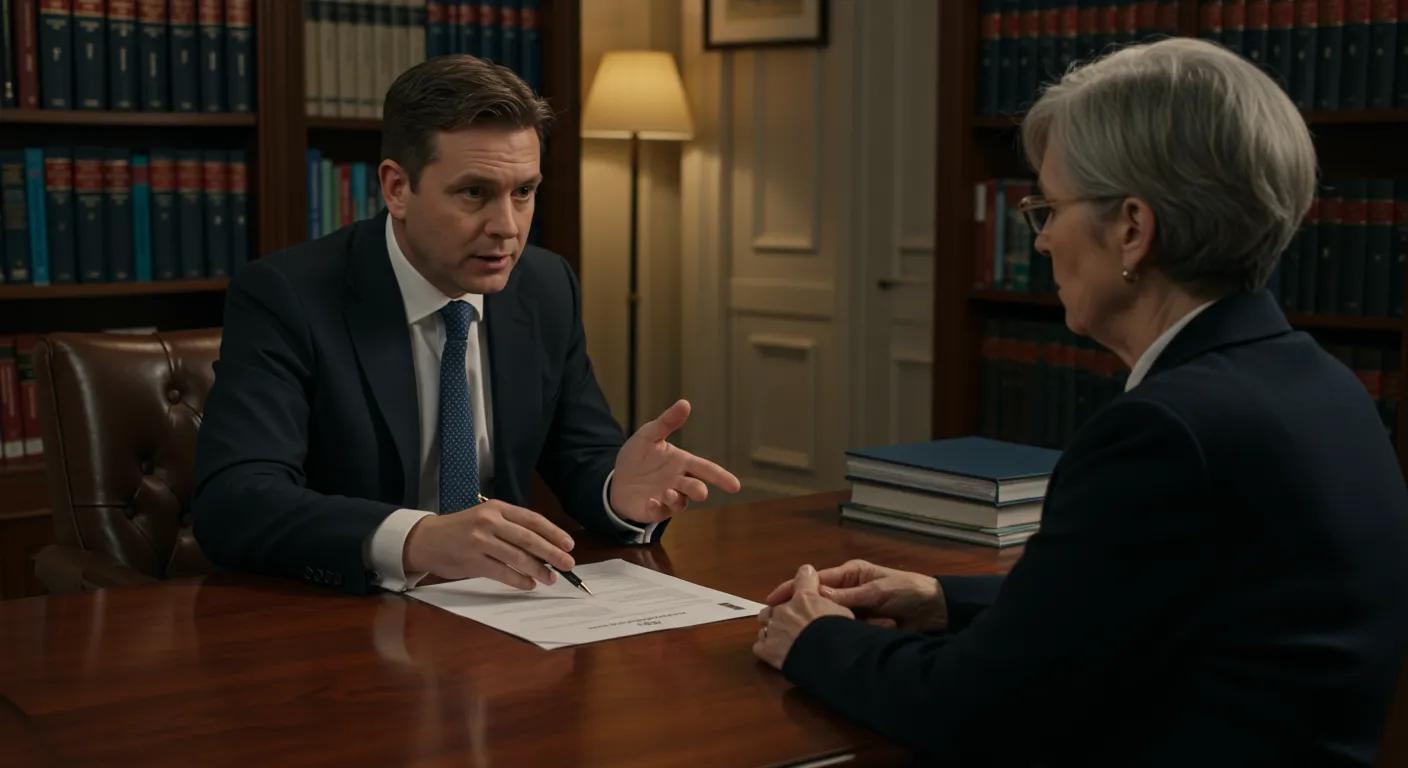
Solicitors advise on selecting attorneys, explain the legal powers conferred, and prepare the necessary forms for registration with the Office of the Public Guardian (OPG). They conduct due diligence checks, draft certificates of capacity where required, and guide donors through choices about when and how attorneys may act, helping to prevent abuse or unintended consequences. Solicitor involvement streamlines the paperwork and improves the likelihood that the LPA will be accepted by banks, healthcare providers, and government bodies. Preparing an LPA now prevents the need for court-appointed deputies later, saving time and expense.
Why Is Professional Probate Advice Essential After a Loved One’s Death?
Professional probate advice supports executors through complex tasks such as locating wills, valuing assets, dealing with HM Revenue & Customs for inheritance tax, notifying creditors, and distributing assets in accordance with the will or law. Solicitors identify required documents, prepare and submit the grant of probate application when necessary, and liaise with third parties such as banks and land registries to transfer assets. Their experience helps avoid common delays and errors that can lead to legal risk or disputes among beneficiaries. Early legal support gives executors clarity and a practical roadmap for completing administration correctly.
How Does the Probate Process Work in Upminster and How Can Solicitors Simplify It?

Probate is the legal process of dealing with a deceased person’s estate, and solicitors simplify each stage by managing paperwork, valuations, and creditor communications on behalf of executors. By identifying required documents and advising on tax and distribution issues, solicitors reduce delay and legal risk while ensuring compliance with HM Courts & Tribunals Service requirements. The following H3 subsections break the main steps into an actionable sequence and show typical timelines and the investment associated with each part of the estate administration process.
- Locate the will and register the death; collate asset and liability information.
- Value the estate and assess potential Inheritance Tax (IHT) liabilities.
- Apply for a grant of probate or letters of administration where required.
- Collect assets, pay debts and taxes, then distribute the estate in line with the will or intestacy rules.
These numbered steps are the core executor actions; solicitors assist at each point to reduce errors and liaise with HMCTS and third parties, speeding up the process and ensuring correct legal compliance.
What Are the Key Steps in Probate and Estate Administration?
Probate administration begins with locating the will and establishing executorship, followed by asset valuation and debt settlement before distribution to beneficiaries. Executors must notify banks, obtain valuations for property and investments, and file any necessary tax returns, such as IHT forms; solicitors prepare and submit the formal grant application if a grant is needed. Throughout, lawyers provide guidance on document collection, creditor handling, and distribution mechanics to reduce missteps. This legal oversight helps executors meet statutory responsibilities and complete the estate in a timely, lawful manner.
How Long Does Probate Take in the UK and What Affects the Timeline?
Typical probate times vary: a simple estate might conclude within 6–12 months, while complex estates with properties, trusts, or disputes can take 12–24 months or longer. Factors that extend timelines include IHT investigations, complex asset valuations, HMCTS case backlogs, and beneficiary disputes; illiquid assets such as overseas property also add time. Solicitors help by proactively collecting documents, preparing complete applications, and liaising with third parties to reduce avoidable delays. Efficient legal management often shortens the practical timescale by preventing repeated requests for information.
When Is a Grant of Probate Required and How Do Solicitors Help Obtain It?
A grant of probate is usually required when a deceased person left a will and assets are held in their sole name; solicitors assess thresholds and prepare the forms, IHT1/IHT400 returns if needed, and submit the application to HMCTS. They gather necessary documents, draft the oath or statement of truth, and manage communication with the Probate Registry to secure the grant. Solicitor-led applications reduce the risk of rejection due to incomplete paperwork and can expedite the process through accurate, timely submissions. Where no will exists, solicitors advise on obtaining letters of administration and the correct legal route for estate distribution.
Understanding the Investment in Probate Services in Upminster
The investment in probate services typically includes solicitor fees, court probate fees, valuation charges, and possible tax liabilities such as Inheritance Tax; third-party outlays like estate agents or surveyors may also apply. Solicitors may offer transparent investment options, such as fixed fees for discrete tasks (e.g., probate application) or an hourly rate for full estate administration; clear communication through itemised quotes is essential to understand the overall commitment. Executors are advised to obtain written estimates and understand which outlays are recoverable from the estate to avoid personal liability. Clear legal guidance ensures the investment is reasonable, budgeted, and aligned with the complexity of the administration process.
| Probate Stage | Typical Solicitor Role | Typical Timeline / Investment Considerations |
|---|---|---|
| Estate valuation | Identify assets, arrange valuations | 2–6 weeks; valuation outlays vary by asset |
| Grant application | Prepare IHT returns and probate forms | 6–12 weeks; court outlays apply |
| Asset realisation | Liaise with banks, sell or transfer assets | Variable; estate agent/surveyor outlays possible |
| Distribution | Pay debts and distribute the net estate | Following the grant, timing depends on tax clearance |
This table shows how the probate stages map to solicitor involvement and where time and investment considerations commonly arise. Effective solicitor support at each stage minimises delays and clarifies outlays.
As an illustration of practical value, consider an anonymised client journey where a local executor engaged specialist legal help to secure a grant, manage complex property valuation, and settle IHT issues. The solicitor coordinated valuations, prepared accurate HMRC submissions, and negotiated short hold periods with banks, enabling timely distribution and reducing potential beneficiary disputes. This hands-on management demonstrates how solicitor expertise translates into fewer delays and clearer outcomes for Upminster executors.
Why Is Estate Planning Important in Upminster and How Do Solicitors Support It?
Estate planning protects families, minimises tax exposure, and preserves wealth for intended beneficiaries through a combination of wills, trusts, and tailored legal arrangements. Solicitors assess family circumstances, asset profiles, and long-term objectives to recommend appropriate instruments such as gifts, trusts, or lifetime planning measures. Early planning reduces the risk of intestacy rules overriding personal wishes and provides clarity for executors and beneficiaries. The next subsections explore how planning can reduce IHT, the role of trusts, and how solicitors tailor plans to individual needs.
Estate planning often includes these tax and protection strategies:
- Strategic gifting within exemptions to reduce taxable estate.
- Use of trusts to control distributions and protect vulnerable beneficiaries.
- Regular reviews and updates to reflect life changes like marriage or property sales.
These actions work together to secure family outcomes and align legal documents with current circumstances, which is why solicitor involvement is important for bespoke planning.
How Can Estate Planning Minimise Inheritance Tax Liabilities?
Estate planning can reduce Inheritance Tax exposure through careful use of exemptions, lifetime gifting, and appropriate trust structures, always considering anti-avoidance rules and legal risks. Solicitors advise on the annual gift allowance, potential spousal exemptions, and the role of trusts to remove assets from the taxable estate in line with current tax law. For complex IHT planning, coordination with tax advisers or financial planners is often recommended to ensure structures are robust and compliant. Thoughtful strategies aim to preserve value for beneficiaries while respecting statutory rules.
What Role Do Trusts Play in Upminster Estate Planning?
Trusts provide legal mechanisms to control how and when beneficiaries receive assets, offering protection for minors, vulnerable adults, or assets earmarked for long-term purposes. Common uses include discretionary trusts for family flexibility, life interest trusts to provide income for a surviving spouse, and trusts to manage business succession. Trustees hold legal title and must adhere to fiduciary duties, with solicitors drafting trust deeds and explaining trustee responsibilities and tax implications. Trusts can be powerful planning tools when used appropriately and administered correctly.
How Do Solicitors Tailor Estate Plans to Individual Client Needs?
Solicitors begin with detailed fact-finding to understand assets, family dynamics, and future intentions, then recommend tailored combinations of wills, LPAs, and trusts to meet those goals. The process includes drafting clear documents, advising on tax implications, and setting review cycles to update plans after major life events. Solicitors also coordinate with financial or tax advisers where specialist input is required, creating integrated plans that reflect the client’s circumstances. A bespoke approach reduces the risk of unintended consequences and ensures plans remain fit for purpose over time.
What Is a Lasting Power of Attorney and Why Should You Arrange One in Upminster?
A Lasting Power of Attorney (LPA) is a legal document that appoints someone to make decisions about your health, welfare, or property and financial affairs if you lose the capacity to do so. LPAs protect your future decision-making by setting out trusted agents and any limits or guidance on how they should act, preventing the need for Court of Protection intervention. Solicitors guide donors through selecting attorneys, completing forms, and registering LPAs with the Office of the Public Guardian to ensure legal validity. The following comparison table clarifies the main LPA types and when each is appropriate.
LPAs are commonly considered for these reasons:
- Avoiding court-appointed deputies if capacity is lost.
- Ensuring trusted individuals can manage finances or healthcare decisions.
- Providing clear instructions to attorneys to reflect personal values and preferences.
These protections make LPAs an essential part of comprehensive estate planning and a practical next step after drafting a will.
| LPA Type | What It Covers | Typical Use-Case |
|---|---|---|
| Property & Financial Affairs LPA | Manages bank accounts, bills, and property transactions | Used when you wish an attorney to handle finances if you cannot |
| Health & Welfare LPA | Makes decisions about medical treatment and care, living arrangements | Used when you want someone to decide medical care if incapacitated |
| Registration | Office of the Public Guardian registration required | Registration finalises legal effect; solicitors assist with the process |
This table contrasts LPA types, their scope, and common scenarios for use. Registering an LPA is a crucial step to ensure attorneys can act when needed.
What Are the Differences Between Health and Welfare and Property LPAs?
Property & Financial Affairs LPAs allow attorneys to manage banking, property transactions, and financial affairs from the date specified or after loss of capacity, while Health & Welfare LPAs permit decisions about medical treatment, care, and residence, but only once the donor lacks capacity. Each LPA covers different decision domains and requires separate forms and registration with the OPG, so donors often execute both to ensure comprehensive coverage. Solicitors explain activation conditions, donor preferences, and safeguards such as replacement attorneys or required certificates. Understanding these distinctions ensures the right powers are in place for future contingencies.
How Does an LPA Protect Your Future Decision-Making?
An LPA legally appoints trusted people to act on your behalf, providing continuity for decision-making without court involvement and offering clear instructions for attorneys to follow. Attorneys are bound by fiduciary duties and must act in the donor’s best interests, with the OPG able to investigate concerns and enforce safeguards. This framework prevents delays in accessing funds or making timely healthcare choices and reduces the emotional burden on family members during crises. Having an LPA in place, therefore, maintains autonomy over who makes decisions and how those decisions should be guided.
How Can Upminster Solicitors Guide You Through the LPA Application Process?
Solicitors help by preparing the LPA forms, advising on suitable attorney appointments, arranging the certificate provider, and submitting the registration to the Office of the Public Guardian. They explain registration timelines, typical processing durations, and any additional documentation required to satisfy banks or healthcare providers. Legal oversight reduces the likelihood of registration challenges and provides clarity on attorney duties and limitations. With solicitor assistance, donors can create robust LPAs that accurately reflect preferences and safeguard future decision-making.
How Do Upminster Wills and Probate Solicitors Provide Compassionate Support During Difficult Times?
Wills and probate solicitors balance technical legal work with compassionate client care, offering clear guidance, practical signposting, and emotional sensitivity during bereavement. Local firms often provide accessible communication, explain immediate administrative steps, and support clients through probate and estate matters at a pace that recognises emotional needs. Multilingual and community-focused services increase access for diverse clients, while eligibility checks for Legal Aid in family law matters (where applicable) help those who qualify. The following subsections explore multilingual help, Legal Aid context, and bereavement support in greater detail.
Solicitors typically assist with immediate actions such as securing property, notifying institutions, and arranging urgent payments, while also providing calm, structured advice on longer-term administration. This practical and empathetic approach reduces stress for bereaved families.
What Multilingual Services Are Available for Diverse Upminster Communities?
Many local solicitors offer multilingual access or interpreter arrangements to ensure non-native English speakers can engage fully with legal processes and understand documentation. While specific languages vary by firm, the availability of interpreter support and translated documents helps families from diverse backgrounds navigate wills and probate with confidence. Clients should request language support early in the engagement to ensure clear communication during interviews and when reviewing legal drafts. Multilingual access improves fairness, reduces misunderstandings, and strengthens community outreach.
How Does Legal Aid Eligibility Benefit Family Law Clients in Upminster?
Legal Aid can help eligible clients obtain representation for certain family law matters; solicitors can assess eligibility criteria and guide clients through application procedures where applicable. Although Legal Aid is primarily relevant to family law rather than wills and probate, firms that offer both services can advise on cross-cutting issues and signpost clients appropriately. Solicitors explain the scope of support, potential limitations, and next steps for applicants, ensuring those who qualify receive necessary assistance. Clear eligibility checks and guidance help clients access entitled public funding efficiently.
What Bereavement Support and Guidance Do Solicitors Offer?
Solicitors provide bereavement support by outlining immediate legal tasks, offering stepwise checklists (such as registering the death, securing documents, and contacting financial institutions), and signposting to counselling or local support services. They manage urgent legal matters, prioritise time-sensitive filings, and explain timelines to reduce uncertainty, while also offering empathetic communication and flexibility. Practical guidance includes preparing beneficiaries for the distribution process and advising on potential disputes or contentious matters. This combination of administrative help and compassionate engagement eases the burden during difficult times.
Understanding the Investment for Will Writing and Probate Services in Upminster
The investment depends on service complexity, time required, and third-party outlays; solicitors help clients understand the factors influencing the investment and choose between transparent fixed-fee and hourly arrangements where appropriate. Clear investment estimates and engagement letters reduce surprises and enable clients to compare options for will writing, LPA registration, or probate administration. The table below compares typical service types, attributes, and what your investment usually covers to aid decision-making when seeking quotes from Upminster solicitors.
The following table summarises investment considerations for common services:
| Service Type | Investment Approach | What Your Investment Covers |
|---|---|---|
| Will Writing | Fixed investment or tiered package | Drafting, execution guidance, storage advice |
| Probate Application | Fixed investment or hourly rate | Preparation of probate forms, IHT returns, and court submission |
| Estate Administration | Hourly rate or percentage-based | Full administration, asset realisation, final distribution |
This table helps clients understand which services lend themselves to fixed investment options and where hourly billing is more common; obtaining itemised quotes is recommended for clarity.
What Factors Influence the Investment in Probate Solicitors?
Key factors influencing your investment include estate complexity, the number and location of assets, whether Inheritance Tax liability exists, the need for specialist valuation, and any disputes between beneficiaries. Travel, third-party professional outlays (surveyors, accountants), and litigation requirements can all influence the overall investment. Solicitors provide investment estimates that identify where outlays will be incurred and advise on recoverable outlays from the estate. Clear discussions about the investment structure early on help executors plan for the likely expenditure and make informed choices about the level of solicitor involvement.
- Common investment factors include estate complexity, Inheritance Tax presence, and third-party outlays.
- Valuations and specialist advice often constitute significant additional outlays.
- Disputes or contested estates typically influence both the timeline and the overall investment.
Understanding these factors enables executors to plan for likely expenditure and request transparent, written estimates.
Are Transparent Investment Options Available for Will Writing and Probate?
Transparent investment options are commonly available for discrete tasks like drafting a standard will or applying for a grant of probate, whereas full estate administration more often involves hourly billing or a blended approach. Fixed investment options provide certainty for predictable services, but clients should check exactly what is included to avoid unexpected outlays for extra work. Solicitors will set out engagement terms in writing, specifying recoverable disbursements and reporting practices. Where the estate is straightforward, a fixed investment route can be both clear and reassuring.
How Can You Get a Free Consultation or Callback from Upminster Solicitors?
Most firms offer an initial consultation or callback to discuss circumstances, outline likely steps, and provide a broad investment estimate; preparation for that meeting improves its value. For an efficient first appointment, bring or note basic information such as asset types, family details, any existing wills, and key dates; this allows the solicitor to give realistic timelines and investment options. Expect the initial meeting to cover scope, recommended next steps, and whether fixed-investment or hourly engagement is more suitable. Requesting an itemised engagement letter after the consultation ensures clarity before work begins.
If you would like local, practical help, Signature Law—a London-based firm with a head office in Romford, RM1 4YD—provides bespoke wills, probate, and estate planning services with multilingual capabilities and Law Society/SRA regulated advice. Their role is to support clients through document drafting, LPA registration, and probate applications, offering clear guidance on investment and likely next steps.
How Can You Choose the Right Wills and Probate Solicitor in Upminster?
Choosing the right solicitor requires checking qualifications, client experience, local knowledge, and communication style to ensure a good fit for sensitive estate matters. Look for SRA regulation and Law Society accreditation as baseline trust signals, review how firms explain investment and timelines, and assess whether they offer in-person and remote consultations. The subsections below explain key accreditations, how to interpret testimonials, and the benefits of different consultation formats to support a confident choice.
A practical shortlist for evaluating solicitors includes:
- Verify SRA regulation and relevant Law Society accreditation.
- Ask for transparent, written investment estimates and clear engagement letters.
- Confirm local office accessibility and multilingual support if required.
These points help narrow options and identify solicitors who combine technical competence with accessible client care.
What Qualifications and Accreditations Should You Look For?
Relevant markers include Solicitors Regulation Authority (SRA) regulation and Law Society accreditation, which indicate adherence to professional standards and ethical obligations. Specialist private client or probate accreditation is an additional signal of focused experience; firms should be willing to explain their regulatory status and areas of practice. Verification can be done through professional registers and by requesting details during the initial consultation. These credentials give confidence that the solicitor operates under recognised standards and professional oversight.
How Do Client Testimonials Reflect Solicitor Expertise in Upminster?
Client testimonials provide insight into communication style, timeliness, and practical outcomes, but should be interpreted alongside documented credentials and case descriptions. Look for testimonials that mention clear explanations, empathy during bereavement, and successful resolution of complex issues; anonymised case studies give deeper evidence of capability. Corroborate reviews with references or ask for example scenarios that match your situation to assess fit. Balanced evaluation of testimonials and formal qualifications leads to better-informed decisions.
What Are the Benefits of Online and In-Person Consultations?
Online consultations offer convenience, quicker access, and efficient document sharing, while in-person meetings can strengthen rapport, help with signing formal documents, and facilitate sensitive conversations. A hybrid approach often works best: initial remote discussions followed by face-to-face meetings for execution of wills or complex planning. Solicitors should be flexible and clear about which tasks require physical presence to comply with legal formalities. Choosing a format that matches your practical needs and comfort level improves engagement and outcome.
If you wish to discuss your estate planning needs with a local team, Signature Law’s Romford office can be contacted to arrange an initial consultation and advice on next steps; their multilingual capability and regulated status are designed to support local clients through wills, LPAs, and probate.