





Family Law
How estate planning supports you through divorce in 2026

Many believe estate planning only matters after divorce is finalised, but that’s a dangerous misconception. Your will, trusts, and beneficiary designations remain active throughout separation, meaning your ex-spouse could still inherit your assets or control your children’s inheritance if you die unexpectedly. Estate plans must often be revised during divorce to reflect new realities. This guide explains how estate planning protects your interests during divorce, what changes you need to make, and why acting early prevents costly legal battles later.
Table of Contents
- Key takeaways
- Why estate planning matters during divorce
- Common estate planning challenges in divorce cases
- Steps to update your estate plan during divorce
- How estate planning protects your children and heirs after divorce
- Get expert legal help with estate planning and divorce
- Frequently asked questions
Key Takeaways
| Point | Details |
|---|---|
| Update during divorce | Estate plans should be revised promptly to reflect changes in asset division and guardianship during separation. |
| Avoid unintended inheritance | If you fail to adjust wills and beneficiary designations, your former spouse could still inherit assets or control your children’s inheritance. |
| Create interim will | Draft an interim will during separation to reflect current wishes, then review again after the divorce is finalised. |
| Review critical documents | Review the critical documents immediately including your will and any codicils, trusts naming your former spouse, life insurance beneficiaries, pension scheme nominations, lasting powers of attorney, and bank account or joint ownership arrangements. |
Why estate planning matters during divorce
Divorce fundamentally changes your legal and financial landscape, yet many people overlook how it affects their estate planning. Your existing will likely names your spouse as primary beneficiary and executor. Without updates, they could inherit everything if you die before the divorce is finalised, regardless of your current relationship status.
This isn’t just theoretical. UK probate law treats your will as valid until you actively change it or until your divorce decree absolute is granted. Even after divorce, certain provisions may remain unless explicitly revoked. That means your ex-spouse could still benefit from your estate, control your children’s inheritance, or make decisions about your funeral arrangements.
Updating your estate planning after divorce UK requirements protects your children’s financial future. If you have minor children, your will should name trusted guardians and establish trusts to manage their inheritance until they reach adulthood. Without these provisions, the court decides who raises your children and how their money is managed, which may not align with your wishes.
Failing to revise your estate plan creates probate complications that burden your family during an already difficult time. Disputed wills, contested beneficiaries, and unclear asset ownership lead to expensive legal battles that drain your estate’s value. Your loved ones deserve better than inheriting a legal mess alongside their grief.
Estate planning during divorce provides clarity and control when everything feels uncertain. It’s one area where you can make definitive decisions that protect your interests and your children’s future, regardless of how the divorce proceedings unfold.
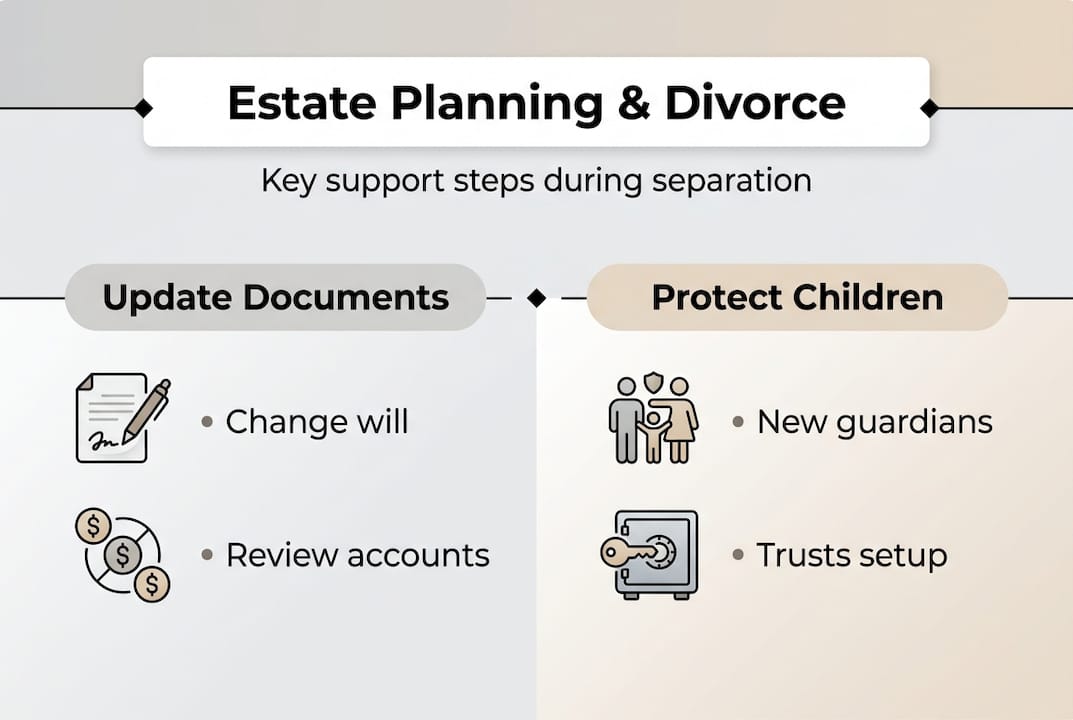
Pro Tip: Don’t wait until your decree absolute to update your will. Create an interim will during separation that reflects your current wishes, then review it again once the divorce is finalised.
Critical documents to review immediately:
- Your will and any codicils
- Trust documents where your spouse is named
- Life insurance beneficiary designations
- Pension scheme nominations
- Lasting powers of attorney for property, financial affairs, and health
- Bank account beneficiaries and joint ownership arrangements
Common estate planning challenges in divorce cases
Divorce introduces complex legal issues that make estate planning particularly challenging. Complex assets such as pensions and jointly held property require careful legal handling to avoid unintended consequences. The division of jointly owned assets complicates matters because you may not know your final financial position until the financial settlement is approved.
Joint property ownership creates immediate estate planning concerns. If you own your home as joint tenants, your share automatically passes to your ex-spouse if you die before converting to tenants in common. This happens regardless of what your will says. Converting to tenants in common allows you to leave your share to your children or other beneficiaries, but this must be done correctly to be legally valid.
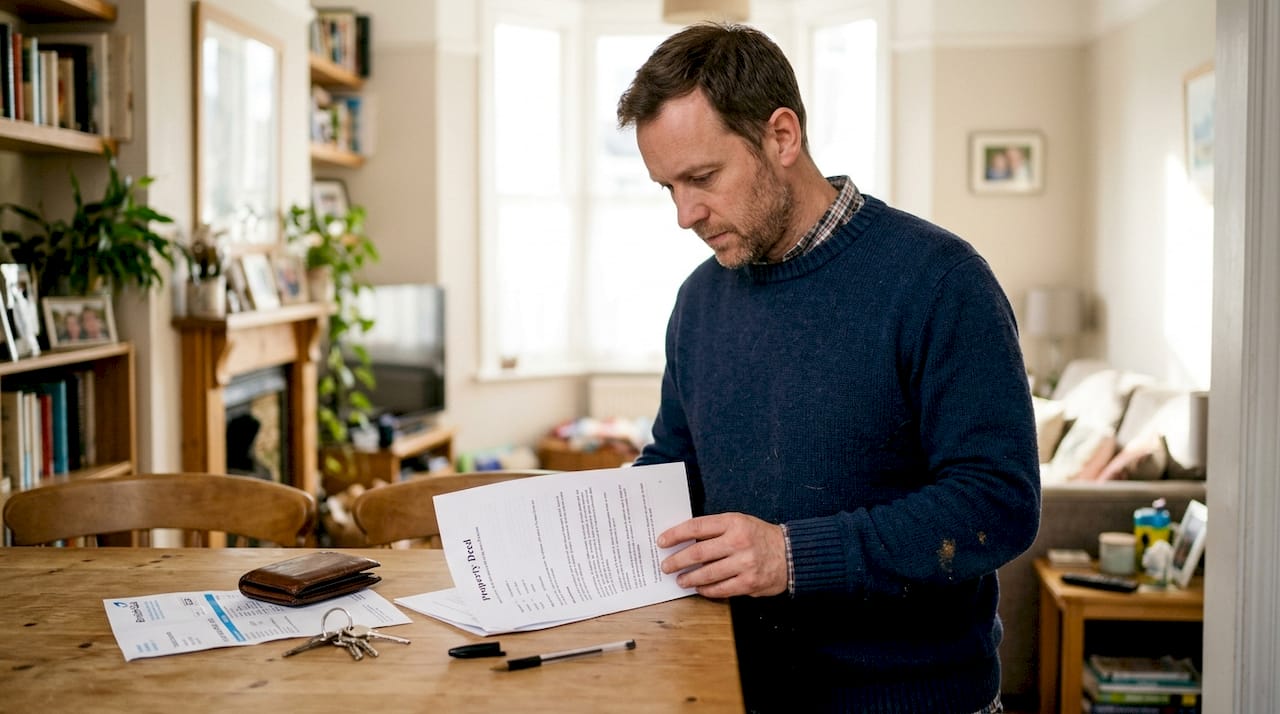
Pensions represent one of the most valuable assets in many divorces, yet they’re often overlooked in estate planning. Your pension scheme’s death benefits may still list your spouse as the nominated beneficiary. Unlike wills, pension nominations don’t automatically change upon divorce. You must contact each pension provider separately to update your nomination, or your ex-spouse could receive the entire death benefit.
Outdated wills create the risk of accidental disinheritance. If your will leaves everything to your spouse and names them as executor, and they predecease you or the will is contested, your backup provisions may not reflect your current wishes. You might inadvertently disinherit your children or leave assets to relatives you no longer wish to benefit.
The legal jargon and procedures surrounding estate planning confuse many people going through divorce. Terms like executor, administrator, residuary estate, and life interest have specific legal meanings that affect how your assets are distributed. Without expert guidance, you may make decisions that don’t achieve your intended outcomes.
Pro Tip: Create a comprehensive list of all your assets, including property, savings, investments, pensions, and life insurance. This inventory helps your solicitor identify everything that needs addressing in your estate plan.
| Challenge | Impact | Solution |
|---|---|---|
| Joint property ownership | Ex-spouse inherits automatically | Convert to tenants in common |
| Pension nominations | Death benefits go to ex-spouse | Update all pension provider nominations |
| Outdated executor appointment | Ex-spouse controls your estate | Name new executor immediately |
| Unclear asset ownership | Probate disputes and delays | Document ownership changes formally |
| Life insurance beneficiaries | Policies pay out to wrong person | Contact insurers to change nominations |
Timely updates prevent these issues from becoming expensive post-divorce disputes. The earlier you address estate planning during your separation, the more protection you secure for yourself and your children.
Steps to update your estate plan during divorce
Updating your estate plan during divorce requires systematic attention to multiple legal documents and financial arrangements. Following these steps ensures comprehensive protection while your divorce proceeds.
-
Review your existing will and trusts immediately. Read through every provision to identify where your spouse is named as beneficiary, executor, trustee, or guardian. Note any gifts or bequests that no longer reflect your wishes. If you don’t have a current will, creating one becomes even more urgent during divorce.
-
Instruct a solicitor to draft a new will. Your new will should remove your spouse as beneficiary and executor, appoint new trustees, and clearly state your wishes for asset distribution. Include provisions for your children’s inheritance and name trusted guardians. Working with solicitors specialising in divorce and estate matters leads to better outcomes because they understand how family law and probate law intersect.
-
Update all beneficiary designations outside your will. Contact your pension providers, life insurance companies, and any financial institutions where you’ve named beneficiaries. Request the forms needed to change your nominations. These designations typically override your will, so updating them is essential. Keep copies of all completed forms for your records.
-
Revise your lasting powers of attorney. If your spouse holds power of attorney for your property, financial affairs, or health decisions, revoke these immediately and appoint someone you trust. You need new LPA documents prepared and registered with the Office of the Public Guardian. This prevents your ex from making critical decisions if you become incapacitated.
-
Consider new guardianship arrangements for your children. Name guardians who share your values and have the capacity to raise your children if something happens to you. Discuss this responsibility with your chosen guardians before naming them in your will. Include provisions for how their inheritance should be managed until they reach adulthood.
-
Address jointly owned property. If you own property as joint tenants with your spouse, instruct a solicitor to sever the joint tenancy and convert it to tenants in common. This allows you to leave your share to beneficiaries of your choice. The solicitor role in divorce property transactions UK includes ensuring these changes are properly registered with the Land Registry.
-
Document everything in writing. Keep detailed records of all estate planning changes you make during divorce. Store your new will, LPA documents, and beneficiary change confirmations in a safe place. Tell your executor and trusted family members where to find these documents.
-
Review your plan after the divorce is finalised. Once your financial settlement is approved and your decree absolute is granted, review your estate plan again. Your financial position may have changed significantly, requiring further updates to reflect your post-divorce circumstances.
Pro Tip: Don’t assume your divorce automatically revokes your will. While divorce affects certain will provisions, it doesn’t create a complete new estate plan. You must actively make changes to ensure your wishes are legally documented.
| Before divorce | During divorce | After divorce |
|---|---|---|
| Spouse is primary beneficiary | Create interim will removing spouse | Finalise estate plan reflecting settlement |
| Spouse is executor | Appoint new executor | Confirm executor still appropriate |
| Joint property ownership | Sever joint tenancy | Update will to reflect sole ownership |
| Spouse holds power of attorney | Revoke and create new LPAs | Review LPA appointments |
| Children’s guardianship unclear | Name trusted guardians | Confirm guardianship arrangements |
These steps provide structure during an emotionally chaotic time. Taking control of your estate planning reduces anxiety and ensures your family is protected regardless of how long the divorce takes.
How estate planning protects your children and heirs after divorce
Your children’s wellbeing and financial security should remain your top priority throughout divorce. Proper estate planning ensures they’re protected if something happens to you before or after the divorce is finalised.
Reassigning guardianship of minor children is the most critical decision you’ll make. Your will should name guardians who will raise your children with love and stability. Without this provision, the court decides who cares for your children, and their choice may not match yours. Consider naming backup guardians in case your first choice is unable or unwilling to serve when needed.
Designating trusted trustees to manage your children’s inheritance protects them from financial mismanagement. Young children cannot manage significant assets themselves. Your will should establish trusts that control how and when your children receive their inheritance. You might specify that funds are released gradually as they reach certain ages, or that trustees have discretion to provide for education, housing, and other needs.
Estate planning updates can ensure children receive intended inheritances without legal challenge. Clear, properly drafted documents reduce the risk of disputes between your ex-spouse and your chosen beneficiaries. Ambiguous language or outdated provisions create opportunities for contested probate proceedings that diminish your estate’s value.
Preventing your ex-spouse from controlling your children’s inheritance requires careful planning. If your will leaves assets to your children but doesn’t specify how they’re managed, and your children are minors, their other parent typically controls those assets as guardian. Creating trusts with independent trustees prevents this situation. Your trustees manage the inheritance according to your instructions, not your ex-spouse’s preferences.
Reducing the risk of family disputes over your assets protects your children from additional trauma. Divorce already strains family relationships. Clear estate planning documents that explain your reasoning and leave no room for interpretation help prevent bitter legal battles after you’re gone. Consider including a letter of wishes alongside your will that explains your decisions in personal terms.
Providing financial security for your heirs in a changed family dynamic requires realistic assessment of your post-divorce financial position. Your estate may be smaller after divorce, and your children may have different needs than before. Your estate plan should reflect these new circumstances while still providing maximum protection and benefit for your heirs.
Key protections for children in divorce estate planning:
- Named guardians who share your values and parenting approach
- Trusts that control inheritance distribution and timing
- Independent trustees who aren’t your ex-spouse
- Clear instructions for education, healthcare, and living expenses
- Provisions for children from previous relationships
- Regular reviews as children’s needs change over time
These protections give you peace of mind that your children will be cared for according to your wishes, regardless of what happens during or after your divorce.
Get expert legal help with estate planning and divorce
Navigating estate planning during divorce requires specialist knowledge of both family law and probate law. The decisions you make now affect your family’s financial security for generations. Signature Law’s experienced solicitors understand the emotional and legal complexities of divorce and provide compassionate, practical guidance tailored to your circumstances.
Our team helps you update your will, revise beneficiary designations, establish trusts for your children, and ensure all your estate planning documents reflect your current wishes. We work alongside your family law solicitor to create a comprehensive legal strategy that protects your interests throughout the divorce process and beyond. Understanding family law UK impact on estate planning helps you make informed decisions.
Whether you need to create a new will, update existing estate planning after divorce UK requirements, or navigate complex asset division, our divorce solicitors provide the expertise and support you need. Don’t leave your family’s future to chance. Contact Signature Law today to discuss your estate planning needs during this challenging time.
Frequently asked questions
What happens to my will after divorce?
Divorce does not automatically cancel your will in its entirety. Under UK law, your decree absolute revokes any appointment of your ex-spouse as executor or beneficiary, but the rest of your will remains valid. This means other provisions stay in effect unless you actively change them. You should create a new will that comprehensively addresses your post-divorce circumstances rather than relying on partial automatic revocation.
Can I keep my ex-spouse as a beneficiary after divorce?
Yes, you can choose to keep your ex-spouse as a beneficiary in your will after divorce, though this is uncommon. You must explicitly state this intention in a new will created after your divorce is finalised. Legal advice is strongly recommended to understand the implications for your children’s inheritance and potential complications with future partners. Clear documentation of your reasoning helps prevent disputes.
How does divorce affect joint assets and estates?
Joint assets are typically divided according to financial settlement agreements or court orders during divorce proceedings. This division fundamentally changes your estate planning because you no longer own assets jointly with your ex-spouse. Property ownership, bank accounts, investments, and pensions all require careful handling to reflect new ownership structures. Your estate plan must be updated to match your post-divorce asset ownership to avoid probate complications.
Should I update my estate plan if we only recently separated?
Yes, you should update your estate plan as soon as you separate, even before filing for divorce. Your existing will remains legally valid during separation, meaning your spouse could still inherit if you die unexpectedly. Creating an interim will that reflects your current wishes provides immediate protection. Consulting a solicitor early in the separation process ensures you understand your options and can make informed decisions about protecting your estate and your children’s future.
Recommended
- What is legal aid for divorce 2026: eligibility, benefits and process | Signature Law
- Estate planning guide UK: secure your family’s future in 2026 | Signature Law
- Solicitor’s role in divorce property transactions UK 2026 | Signature Law
- Navigating Family Law with Complex Assets: Expert Guidance for Fair Asset Division and Protection