





Family Law
Why estate planning matters: secure your family’s future

Most people assume their loved ones will automatically inherit everything when they die, but intestacy rules exclude unmarried partners and often fail to reflect modern family structures. Without a proper will, your estate follows rigid legal formulas that may leave partners, stepchildren, or chosen beneficiaries with nothing. Estate planning is not just for the wealthy. It’s about protecting those you care about, minimising legal delays, reducing tax burdens, and ensuring your wishes are honoured. This guide explains why planning ahead matters, how intestacy and inheritance tax impact your family, and the practical steps you can take now to secure their future.
Table of Contents
- Key takeaways
- Understanding intestacy and why wills matter
- How inheritance tax affects your estate and ways to plan
- Protecting your loved ones: powers of attorney and avoiding family disputes
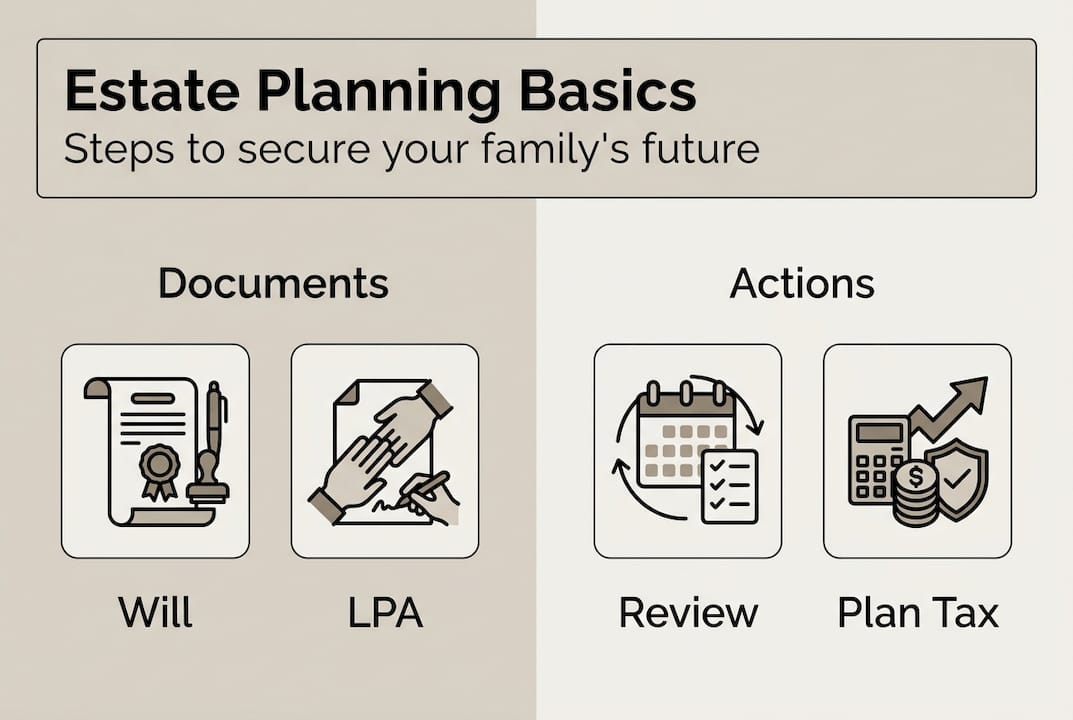
- Steps to take now: putting your estate plan together
- How Signature Law can help with your estate planning
- What happens if you die without a will in the UK?
Key Takeaways
| Point | Details |
|---|---|
| Will empowers choice | A valid will lets you designate beneficiaries, guardians and executors, ensuring your wishes are honoured. |
| Intestacy harms families | Without a will, unmarried partners and other loved ones may receive nothing, leaving them financially vulnerable. |
| Inheritance Tax planning | Inheritance Tax planning can maximise the available allowances and minimise the amount payable by beneficiaries. |
| Lasting Powers of Attorney | Setting up Lasting Powers of Attorney ensures trusted people can manage your affairs if you lose capacity. |
Understanding intestacy and why wills matter
When someone dies without a valid will, their estate is distributed according to intestacy rules. These rigid legal formulas decide who inherits based on marital status and blood relations, not personal wishes or modern relationships. Estate planning ensures assets are distributed according to wishes rather than intestacy rules, which exclude unmarried partners and may not reflect modern families.
Under intestacy, married spouses and civil partners inherit first, followed by children. Unmarried partners receive nothing, regardless of how long the relationship lasted. Stepchildren, close friends, and charities you support are also excluded. This creates heartbreaking situations where long-term partners are left homeless or financially vulnerable because the deceased never formalised their wishes in a will.
The consequences of intestacy extend beyond emotional distress:
- Probate delays often exceed 12 months, leaving families unable to access funds for bills or funeral costs
- Assets remain frozen during the legal process, causing financial hardship
- Legal fees mount as solicitors navigate complex intestacy procedures
- Family disputes arise when relatives disagree about who should inherit
- Estates may be distributed in ways the deceased would never have wanted
A properly drafted will avoids these problems entirely. You choose your beneficiaries, appoint guardians for minor children, and specify how assets should be divided. You can leave gifts to unmarried partners, stepchildren, friends, or charities. You can also appoint executors you trust to handle your affairs efficiently.
“Probate disputes have surged to 10,409 cases in 2023, reflecting increased family conflict over unclear estates and significant assets.”
This rise in disputes highlights how crucial clear estate planning has become. Families are more complex than ever, with second marriages, blended families, and diverse relationships. Without a will that reflects these realities, you risk leaving your loved ones in legal limbo and emotional turmoil.
Creating a will is not morbid or pessimistic. It’s a practical act of love that protects those who matter most. Whether your estate is modest or substantial, a will ensures your wishes are respected and your family is spared unnecessary stress during an already difficult time. For guidance on the probate checklist UK 2026 process, professional advice can streamline administration and reduce delays. Understanding probate vs wills UK clarifies how these legal processes interact and why both matter.
How inheritance tax affects your estate and ways to plan
Inheritance Tax is charged at 40% on estates above certain thresholds, making it one of the most significant financial considerations in estate planning. The current nil-rate band stands at £325,000, meaning the first £325,000 of your estate is tax-free. Additionally, the residence nil-rate band adds £175,000 if you leave your main home to direct descendants. Married couples and civil partners can combine these allowances, creating a total tax-free threshold of up to £1 million.

Inheritance Tax at 40% above £325k applies to estates exceeding these thresholds, with forecasts showing £8.7 billion in revenue for 2025-26, rising due to frozen thresholds. As property values and asset prices increase, more families find themselves liable for this tax, even if they don’t consider themselves wealthy.
| Allowance type | Single person | Married couple |
|---|---|---|
| Nil-rate band | £325,000 | £650,000 |
| Residence nil-rate band | £175,000 | £350,000 |
| Combined total | £500,000 | £1,000,000 |
The number of estates liable for Inheritance Tax continues to climb. 37,000+ liable estates by 2027 are forecast, with total tax revenue expected to reach £9 billion. This surge reflects frozen thresholds that haven’t kept pace with property inflation, particularly in London and the South East.
Fortunately, several legitimate strategies can reduce or eliminate Inheritance Tax liability:
- Gifting during your lifetime: You can give away £3,000 per year tax-free, plus unlimited small gifts of £250 to different people. Larger gifts become exempt if you survive seven years after making them.
- Trusts: Placing assets in trust removes them from your estate while allowing you to specify how they’re used. Trusts offer flexibility and control, particularly for protecting vulnerable beneficiaries.
- Life insurance: A policy written in trust pays out directly to beneficiaries without forming part of your taxable estate, providing immediate funds to cover tax bills or support loved ones.
- Charitable donations: Leaving 10% or more of your estate to charity reduces the Inheritance Tax rate from 40% to 36% on the remaining estate.
- Business and agricultural relief: Certain business assets and agricultural property qualify for up to 100% relief, significantly reducing tax liability.
Pro Tip: Getting professional valuations of property and assets is crucial, as 81% of executors overvalue estates and end up overpaying Inheritance Tax. Accurate assessments ensure you pay only what’s legally required.
Planning ahead makes a substantial difference. A couple with a £1.2 million estate including a family home could face £80,000 in Inheritance Tax without planning. With proper use of allowances, gifting, and trusts, they might reduce this to zero, preserving wealth for children and grandchildren. For comprehensive guidance, the estate planning guide UK 2026 provides detailed strategies tailored to your circumstances.
Protecting your loved ones: powers of attorney and avoiding family disputes
A Lasting Power of Attorney (LPA) is a legal document that allows you to appoint trusted people to make decisions on your behalf if you become unable to do so yourself. This could be due to illness, injury, or conditions like dementia. Many people mistakenly believe that family members automatically have the right to manage their affairs, but LPAs essential for incapacity because there’s no automatic next-of-kin authority.
Without an LPA, your family would need to apply to the Court of Protection for a deputyship order. This process is expensive, time-consuming, and stressful at a time when they’re already dealing with your incapacity. It can take months to obtain, during which time no one can access your bank accounts, sell property, or make crucial decisions about your care.
There are two types of LPA, each serving different purposes:
- Health and Welfare LPA: Allows your attorney to make decisions about medical treatment, care arrangements, and where you live. This only takes effect when you lack mental capacity.
- Property and Financial Affairs LPA: Permits your attorney to manage your finances, pay bills, and handle property matters. This can be used as soon as it’s registered, even if you still have capacity, making it useful if you’re physically unable to manage affairs yourself.
You can appoint multiple attorneys and specify whether they must act jointly (all agree) or jointly and severally (can act independently). Choose people you trust completely, as they’ll have significant power over your life and assets. Many people appoint family members, but close friends or professional advisors are also suitable if they’re more appropriate.
Clear estate planning also reduces the risk of family disputes after your death. Probate disputes often arise when wills are unclear, family members feel unfairly treated, or significant assets are involved. The 10,409 probate disputes in 2023 demonstrate how common these conflicts have become. Disputes drain estates financially through legal costs and emotionally through broken family relationships.
Pro Tip: Communicate your estate plans openly with family members to reduce surprises and disagreements. Explaining your reasoning helps loved ones understand your decisions, even if they don’t fully agree.
When family members know what to expect, they’re less likely to contest your will or question your choices. This is particularly important in blended families, where stepchildren and biological children may have different expectations. Transparency doesn’t mean you need everyone’s approval, but it does prevent shock and resentment after you’re gone.
If your estate involves family law with complex assets such as business interests or multiple properties, professional guidance ensures fair distribution and minimises conflict. Understanding how family disputes probate UK cases develop helps you structure your estate to avoid common triggers.
Steps to take now: putting your estate plan together
Estate planning may seem overwhelming, but breaking it into manageable steps makes the process straightforward. Here’s how to build a comprehensive plan that protects your family and honours your wishes:
-
Make or update your will: If you don’t have a will, creating one should be your first priority. If you have an older will, review it to ensure it reflects your current circumstances, relationships, and assets. Major life events like marriage, divorce, births, or property purchases all warrant updates.
-
Appoint Lasting Powers of Attorney: Set up both Health and Welfare and Property and Financial Affairs LPAs. Choose attorneys carefully and discuss your wishes with them so they understand your values and preferences.
-
Get professional property and asset valuations: Accurate valuations prevent overpaying Inheritance Tax and ensure fair distribution among beneficiaries. 81% executors overvalue assets, overpaying IHT, making professional valuation essential.
-
Consider inheritance tax planning strategies: Explore gifting, trusts, and life insurance options to reduce your estate’s tax liability. Even modest planning can save thousands of pounds for your heirs.
-
Review plans regularly: Estate planning isn’t a one-time task. Review your will and LPAs every three to five years, or whenever significant life changes occur. This ensures your plans remain relevant and effective.
| Service | Key benefit | Typical cost |
|---|---|---|
| Will writing | Ensures your wishes are legally binding | £150-£500 |
| Lasting Power of Attorney | Protects you if you lose capacity | £82 registration + legal fees |
| Professional valuation | Prevents overpaying Inheritance Tax | £200-£500 per property |
| Inheritance Tax planning | Reduces tax liability for heirs | Varies by complexity |
| Estate administration | Streamlines probate process | 2-5% of estate value |
Pro Tip: Engage with a solicitor specialised in estate planning to avoid costly mistakes and ensure current legal compliance. DIY wills and online templates often contain errors or omissions that can invalidate your wishes or create legal disputes.
A specialist solicitor understands current legislation, tax rules, and common pitfalls. They can advise on complex situations like blended families, business ownership, or overseas assets. The cost of professional advice is minimal compared to the potential losses from poorly structured plans.
Clear documentation is equally important. Keep your will, LPAs, and important documents in a safe place and tell your executors and attorneys where to find them. Provide copies to your solicitor for safekeeping. This ensures that when the time comes, your representatives can act quickly without searching for crucial paperwork.
For tailored estate planning solicitor guidance, professional support ensures your plan is robust, legally sound, and tax-efficient. Understanding the probate process UK helps you prepare your estate for smooth administration after your death.
How Signature Law can help with your estate planning
Signature Law specialises in helping families across the UK protect their futures through comprehensive estate planning. Our experienced team understands that estate planning is deeply personal and often emotionally challenging. We provide compassionate, clear guidance tailored to your unique circumstances.
Our estate planning services include:
- Tailored will writing that reflects your wishes and protects your loved ones
- Probate assistance to streamline estate administration and reduce delays
- Inheritance Tax advice to minimise your family’s tax burden legally
- Lasting Powers of Attorney to safeguard your interests if you lose capacity
With a strong presence in Romford and Upminster, we offer personalised support that larger firms simply can’t match. Our founder, Sital Somaiya, brings over 15 years of experience and has been featured on BBC and ITV, combining legal authority with genuine compassion. We’re here to support you when times are toughest, ensuring your family’s future is secure.
Whether you’re creating your first will, updating an existing plan, or navigating complex family law in the UK matters, our team provides the expertise and empathy you deserve. Our wills and probate solicitors guide you through life’s most important planning decisions with clarity and care. For local support, our wills and probate solicitors Romford team offers trusted expertise you can rely on.
What happens if you die without a will in the UK?
Who inherits my estate under intestacy rules?
If you’re married or in a civil partnership, your spouse inherits your personal belongings and the first £322,000 of your estate. If your estate exceeds this, they receive half the remainder, with the other half divided among your children. Unmarried partners, stepchildren, and friends receive nothing under intestacy rules.
Can my unmarried partner inherit anything if I die without a will?
No, intestacy rules do not recognise unmarried partners, regardless of how long you’ve been together or whether you have children. Your partner would need to make a legal claim against your estate, which is costly, uncertain, and emotionally draining. A will is the only way to ensure they inherit.
How long does probate take when someone dies without a will?
Intestacy cases typically take longer than estates with a will because additional legal steps are required to appoint administrators and determine beneficiaries. Many probate cases now exceed 12 months, particularly when estates are complex or family disputes arise. Clear estate planning significantly reduces these delays.
What are Lasting Powers of Attorney and why do I need them?
Lasting Powers of Attorney allow you to appoint trusted people to make decisions about your health, welfare, and finances if you become unable to do so yourself. Without them, your family must apply to court for permission to manage your affairs, which is expensive and time-consuming. LPAs give you control over who helps you and how.
How can I reduce Inheritance Tax on my estate?
You can reduce Inheritance Tax through strategic gifting during your lifetime, placing assets in trust, taking out life insurance written in trust, and leaving charitable donations. Professional advice ensures you use all available allowances and reliefs, potentially saving your family thousands of pounds. Accurate asset valuations also prevent overpaying tax.
When should I review my will and estate plan?
Review your will every three to five years and after major life events such as marriage, divorce, the birth of children or grandchildren, significant property purchases, or changes in financial circumstances. Regular reviews ensure your estate plan remains relevant and reflects your current wishes and relationships.
Recommended
- Secure your family’s future with wills and estate planning | Signature Law
- Estate planning guide UK: secure your family’s future in 2026 | Signature Law
- Estate Planning in Divorce – Protecting Your Children | Signature Law
- Types of Wills UK: 4 Key Options to Secure Your Family in 2026 | Signature Law